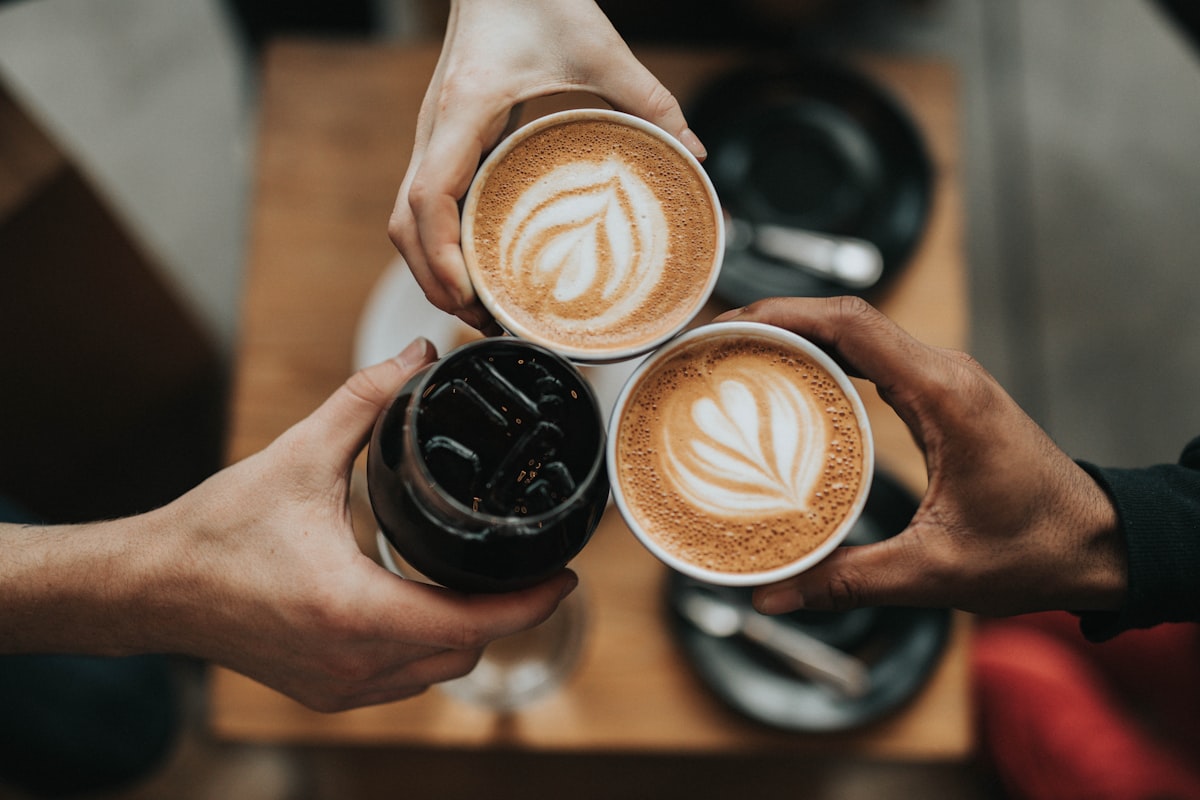
If you want a machine that grinds, tamps, and brews without you hovering over it, Krups is one of the few brands with a track record long enough to prove it — the company has been making coffee equipment since 1846. Today it builds everything from a $100 manual espresso maker to a $500 super-automatic, so there's a fit for most budgets and skill levels. Below I'll trace where the brand comes from, walk through the models actually worth buying, and help you settle on the right one.
Where Krups Comes From
Robert Krups founded the company in 1846 in Wald, a town in the North Rhine-Westphalia region of Germany. Those first years were spent on precision scales and industrial measuring instruments — a background that still shows up in how carefully Krups handles dosing and temperature control today. By the middle of the twentieth century the company had moved into household appliances and built a reputation for sturdy, well-thought-out machines that favored function over flash.
Krups joined Groupe SEB in 2001, the French multinational that also owns Tefal, Rowenta, and Moulinex. That move brought bigger research budgets and global distribution, yet the German engineering identity stayed intact. Machines are still designed in Germany and assembled across several European facilities, keeping the quality standards that built the brand's name.
"People forget how rare a 175-year-old brand is in kitchen gear. When you buy a Krups you're buying that history — and it shows up in the way the machine doses, heats, and lasts." — Marcus Belling, German Appliance Historian
The Krups Models Actually Worth Buying
Krups splits its coffee range into a few clear tiers, each aimed at a different kind of drinker. These are the models that keep earning praise from both casual users and people who take their coffee seriously.
Krups EA8298 Quattro Force — The Versatile Performer
The EA8298 is a fully automatic espresso machine built for households that want café-quality drinks without a steep learning curve. It packs a 15-bar pump, an integrated conical burr grinder with five grind settings, and a steam wand for manual frothing. The ThermoBlock heating system reaches brewing temperature in under 40 seconds, and the adjustable spout handles everything from demitasse cups to tall travel mugs. At roughly $350, it sits in the sweet spot between entry-level and premium, which is why it's the Krups model I recommend to most people.
Krups EA9000 Evidence — The Super-Automatic Flagship
The EA9000 is Krups' most advanced consumer machine. It handles the whole routine — grinding, tamping, brewing, and milk frothing — at the push of a button. You get an automatic milk carafe with adjustable foam density, a color TFT display for choosing drinks, and programmable user profiles so every family member can save their own settings. The ceramic grinder spins at low RPM to keep heat down, protecting the aromatics of freshly ground beans. Budget between $450 and $550 depending on the retailer.
Krups XP442C — The Pump Espresso Purist
Drinkers who enjoy being part of the process will like the XP442C's manual control at a friendly price. This pump-driven machine runs a 15-bar Italian pump and a stainless steel boiler for consistent extraction, with a single and double filter basket, an adapter for E.S.E. pods, and a dedicated steam wand. The compact footprint — just 8 inches wide — fits small kitchens. At around $100 it's the cheapest honest entry into real espresso without super-automatic complexity.
Krups GX5000 — The Dedicated Grinder
The GX5000 isn't a coffee maker — it's a standalone burr grinder, and it deserves a mention because grind quality is the single biggest variable in how a cup tastes. With 60 settings running from Turkish-fine to French-press coarse, stainless conical burrs, and a small footprint, it pairs with any of the machines above or a manual pour-over setup. At about $80, it's one of the cheapest burr grinders that genuinely outperforms blade alternatives.
Picking the Right Krups Machine for You
Choosing comes down to three practical questions: what you want to spend, how much counter you have, and how hands-on you want to be.
Budget
- Under $100: The XP442C pump espresso machine delivers real espresso at a fraction of premium pricing. Add the GX5000 grinder and you have a complete setup for under $200.
- $200 to $400: The EA8298 Quattro Force gives you automatic grinding and brewing plus a steam wand — the best value for daily drinkers who want convenience without overspending.
- $400 and above: The EA9000 Evidence brings a fully automated experience with a milk carafe, user profiles, and premium build quality for households ready to invest in the top of the line.
Counter Space
Measure your counter before buying. The XP442C and GX5000 are the most compact options, each taking up less than a square foot. The EA8298 needs moderate room with its wider drip tray and grinder hopper. The EA9000 is the biggest, requiring roughly 14 inches of width plus extra clearance for the milk carafe. Counter genuinely tight? The XP442C paired with the GX5000 takes up less space than most super-automatics while delivering comparable espresso.
Coffee Preferences
- Espresso purists who enjoy dosing, tamping, and pulling shots will lean toward the XP442C and its manual control.
- Lattes and cappuccinos come out best on the EA9000 with its integrated milk system, or the EA8298 with its steam wand.
- Speed and convenience point to the EA8298 and EA9000, which grind and brew automatically in under a minute.
- Multiple grind sizes for different brewing methods call for the standalone GX5000, which pairs with any machine or pour-over setup.
Krups Lineup, Side by Side
| Model | Type | Price Range | Key Features | Best For |
|---|---|---|---|---|
| EA8298 Quattro Force | Super-Automatic Espresso | $300 – $400 | 15-bar pump, built-in grinder, steam wand, adjustable spout | Everyday espresso drinkers who want convenience |
| EA9000 Evidence | Super-Automatic Premium | $450 – $550 | Milk carafe, ceramic grinder, TFT display, user profiles | Latte fans and households with several users |
| XP442C | Pump Espresso | $80 – $120 | 15-bar pump, stainless steel boiler, pod adapter, steam wand | Hands-on espresso on a tighter budget |
| GX5000 | Burr Grinder | $70 – $90 | 60 grind settings, conical steel burrs, compact design | Fresher grounds for any brew method |
Keeping a Krups Machine Running for Years
A Krups coffee machine is an investment, and a few minutes of routine care can add years to its life. Here's what actually matters:
- Descale every 2 to 3 months. Use Krups-brand descaling solution or a citric acid alternative. In hard water areas, make it monthly. The descale cycle clears mineral buildup from the boiler and internal lines, and that directly affects both temperature stability and taste.
- Clean the group head and brew chamber weekly. On super-automatic models, pull the brew unit and rinse it under warm water, then wipe the group head gasket with a damp cloth so coffee oils don't turn rancid.
- Run grinder cleaning tablets monthly. Oils accumulate in burr grinders and go stale, tainting fresh beans. Grind a handful of cleaning tablets (or uncooked white rice) to soak up residual oils and keep grind consistency sharp.
- Replace water filters every 60 days. If your reservoir uses a filter, swap it on schedule. A clogged filter restricts flow and makes the pump work harder than it should.
- Purge the steam wand after every use. Wipe it with a damp cloth and steam for 2-3 seconds to clear milk from the tip — dried milk inside the wand causes blockages and bacteria.
"With automatic machines, the brew unit is what people ignore first. Keep that group head clean and your machine will keep tasting like it cost ten times what you paid." — Elena Rossi, Barista Trainer
Related Guides
Ready for more kitchen upgrades? The Kochfelder Cookware Guide covers cookware worth owning, and when it's time for a deep clean, our High-Pressure Cleaner Guide has you covered.
Frequently Asked Questions
How old is Krups, and who owns it today?
Robert Krups started the company in 1846 in Wald, Germany, making precision scales and instruments. Groupe SEB, the French small-appliance group behind Tefal, Rowenta, and Moulinex, bought the brand in 2001. That makes it part of one of the largest kitchen-appliance manufacturers on the planet.
Which Krups model makes the best home lattes?
The EA9000 Evidence is the one for latte lovers — it has an integrated milk frothing system, automatic milk texturing, and one-touch latte and cappuccino programs. Want to spend less? The EA8298 Quattro Force includes a steam wand for manual frothing.
How often should a Krups espresso machine be descaled?
Every 2 to 3 months under normal use, or monthly if your water is hard. Most models have a descale alert light that tells you when it's due. Use Krups-brand solution or a citric-acid alternative for best results.
Can Krups bean-to-cup machines use pre-ground coffee?
Yes — most super-automatic models like the EA9000 and EA8298 have a bypass chute for pre-ground coffee, so you can brew a single cup without emptying the hopper. Drop a scoop of grounds into the bypass compartment and select the pre-ground setting.